Tree Trimming
Routine trimming that keeps branches off your roofline, improves airflow and sunlight, and keeps trees healthy year after year.
Trimming is routine maintenance — cutting back overgrown, low-hanging, or crowded branches to keep a tree's shape healthy and your property clear. Left untrimmed, trees near a house create real problems: branches wear through roofing, and dense canopies block the light your lawn needs.
Real Results
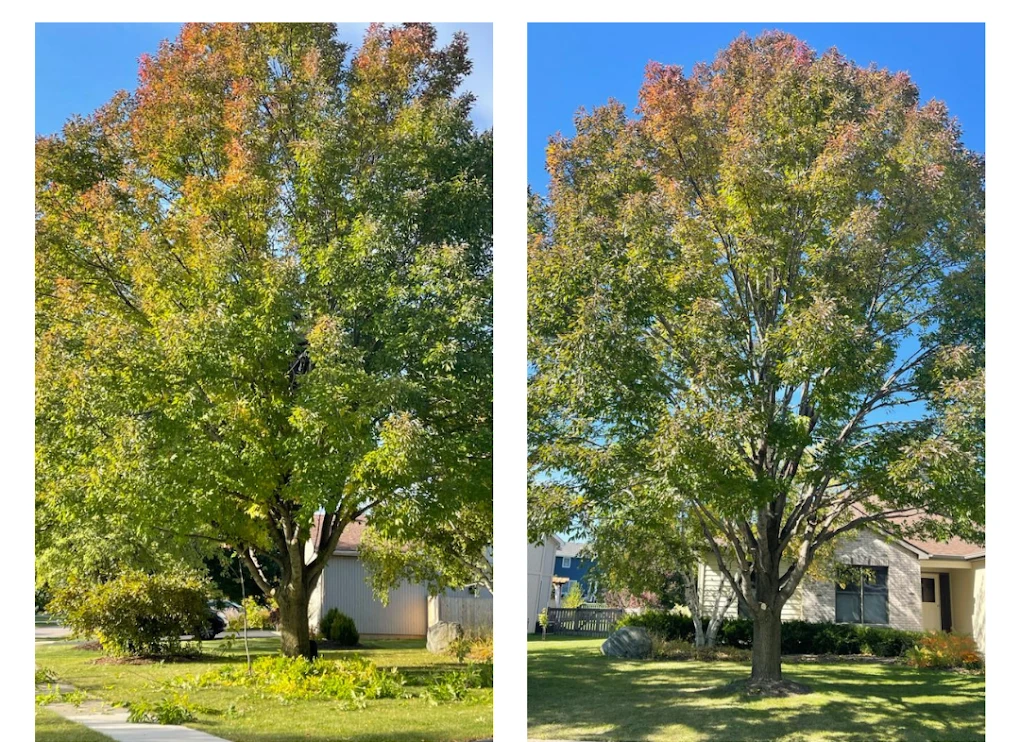
See the Difference
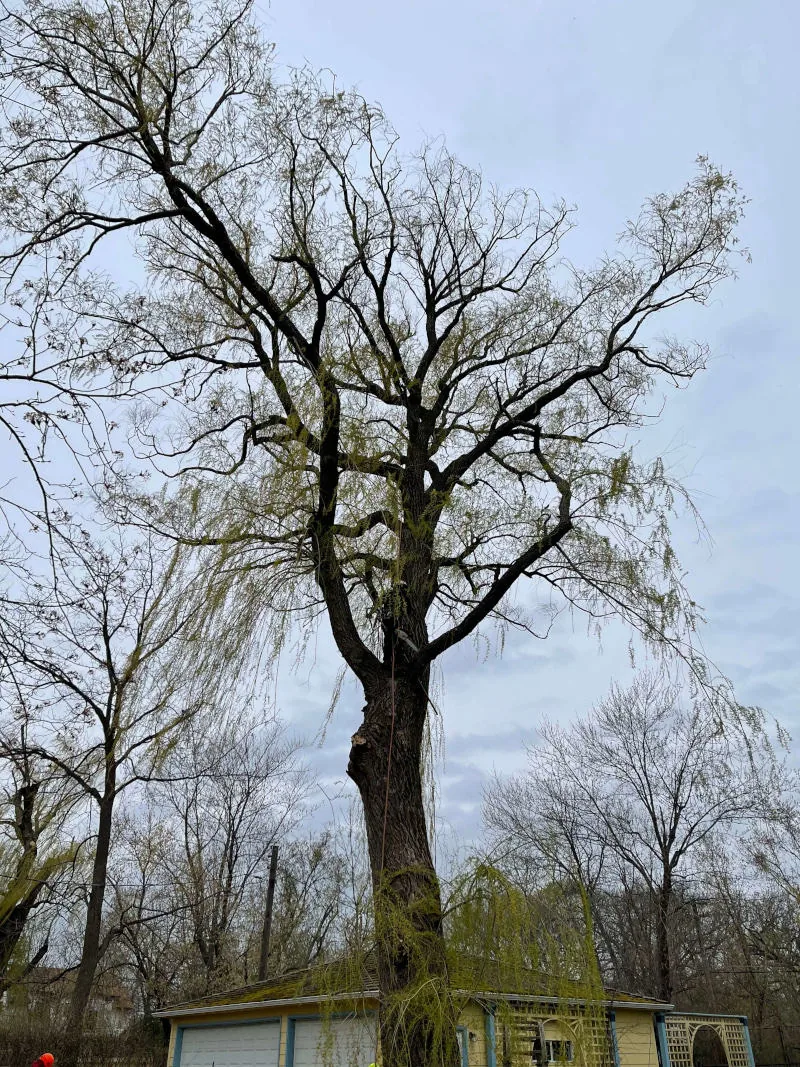
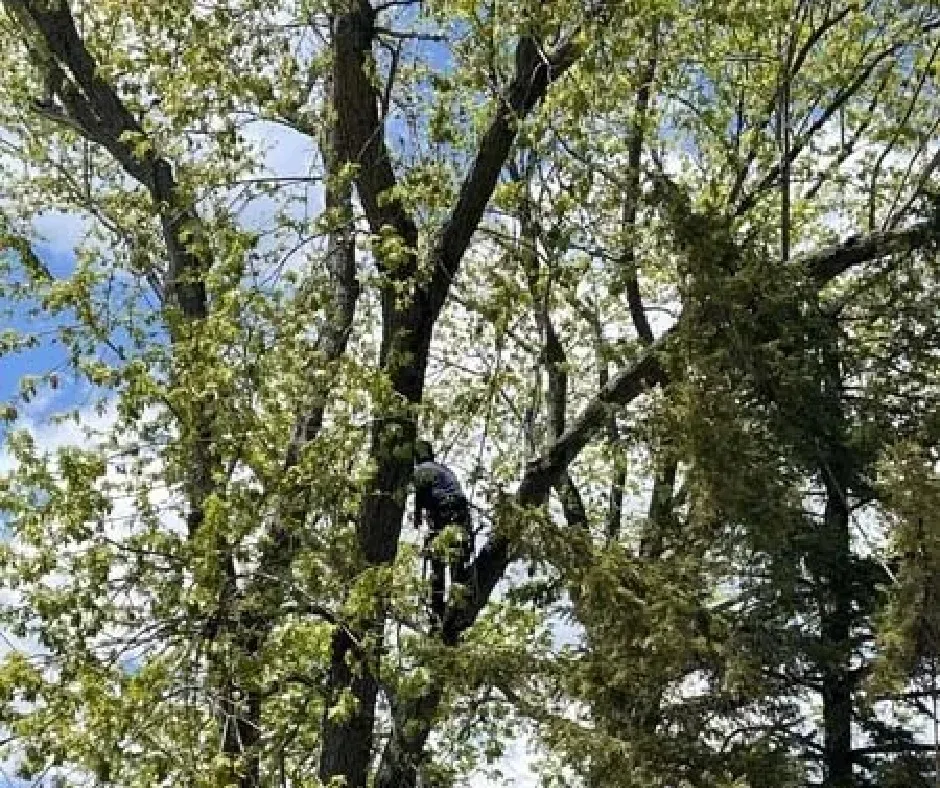
A recent trimming job — same tree, same yard, healthier shape and better clearance.
Signs You Need Tree Trimming
Branches touching or rubbing against your roof, siding, or gutters
Limbs hanging low over driveways, walkways, or patios
It's been more than 2–3 years since the tree was last professionally trimmed
Our Process
How We Trim a Tree
Walk the Property
We look at every tree you're concerned about and flag anything beyond simple trimming.
Upfront Quote
One flat price per tree or per property, based on size and access.
Access & Setup
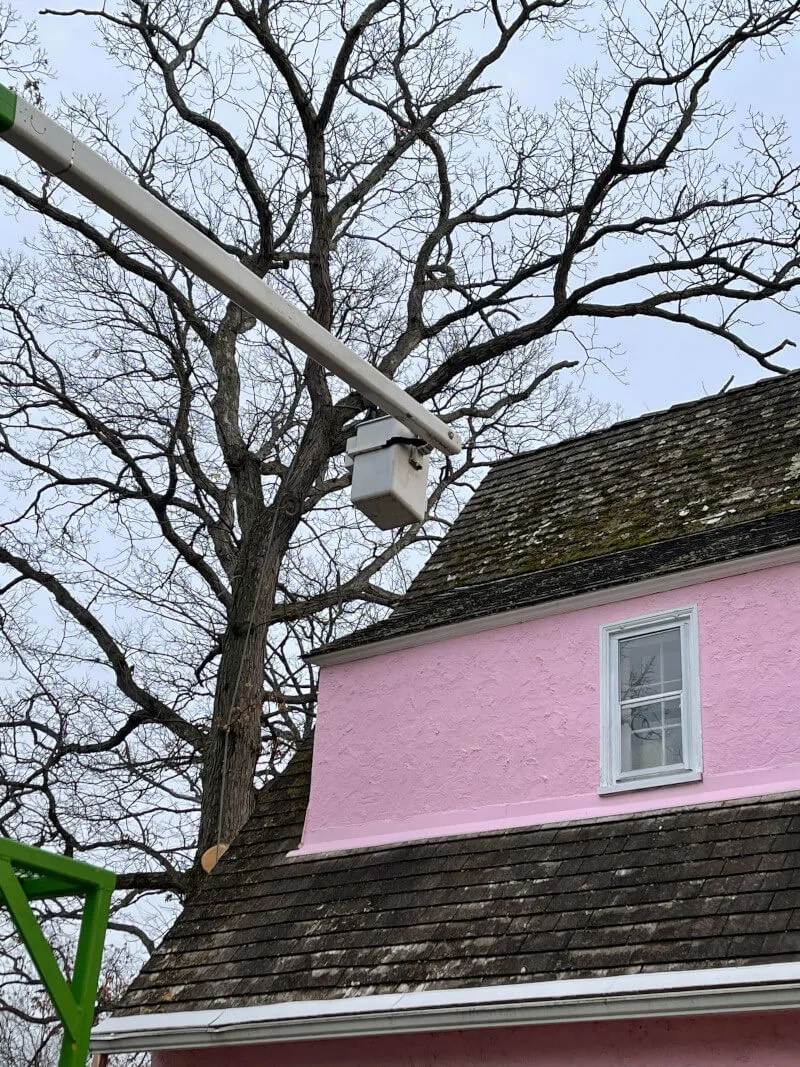
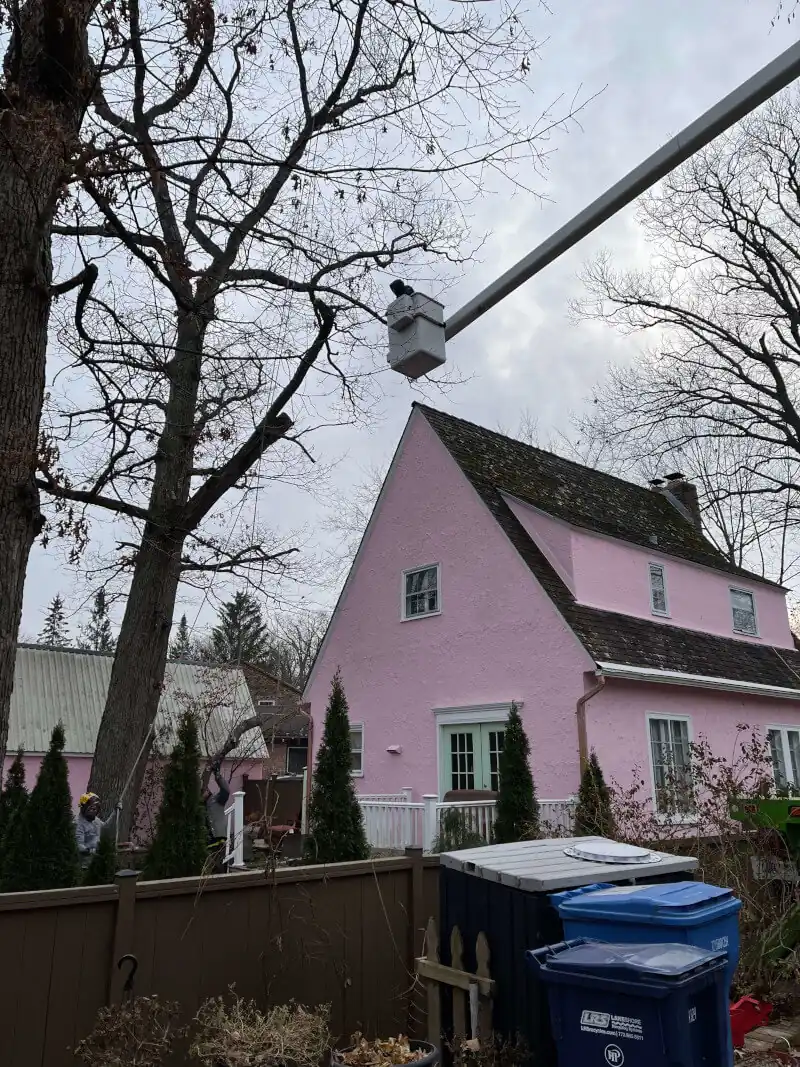
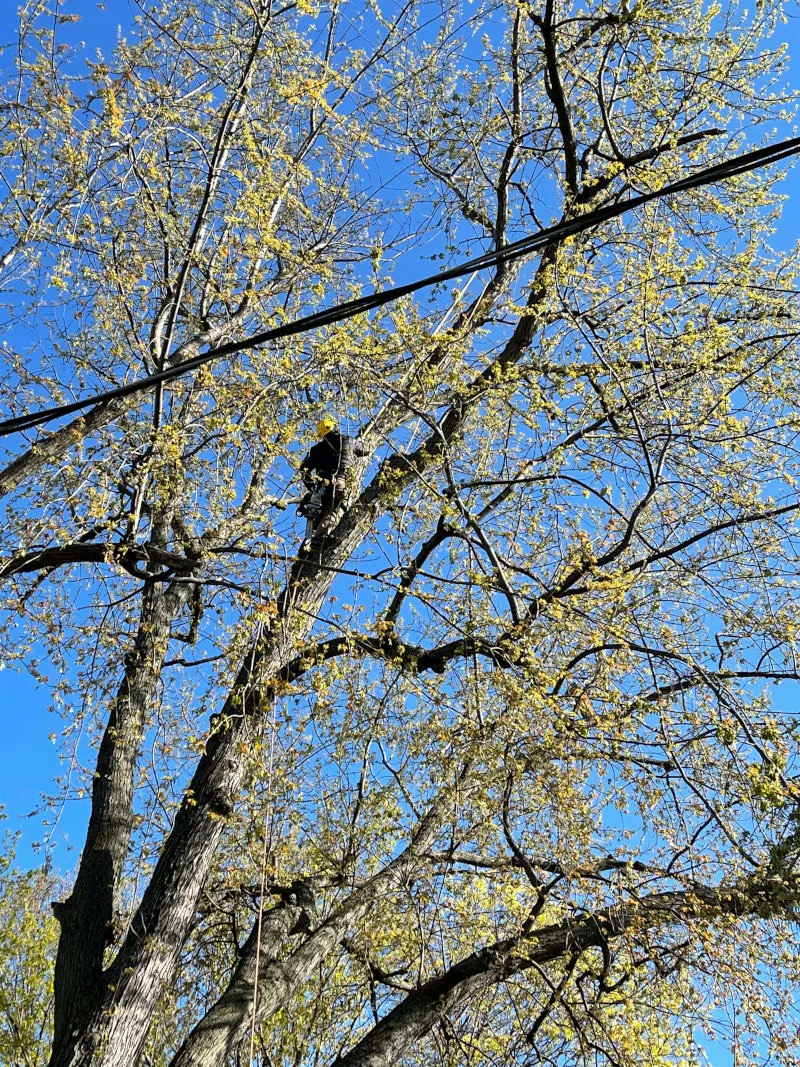
Bucket truck or climbing crew — whichever is safer and more efficient.
Selective Trimming
We remove the specific branches causing problems while keeping the tree's natural shape.
Chip & Haul Debris
Cut branches are chipped on-site and hauled away.
Cleanup Walkthrough
We rake, blow, and inspect the yard with you before we leave.
Local Conditions
Trimming Around Zion & Lake County
Lake County's mix of mature oaks, maples, and willows means most established neighborhoods have significant canopy cover — great for shade, but branches regularly grow into rooflines and power service lines faster than people expect. Late winter, before trees leaf out, is our busiest and best trimming season here, and we also see a spike in requests after spring wind storms.
Licensed & Insured
For bucket truck & climbing work
20+ Years
Trimming Lake County trees
Flat-Rate Pricing
Quoted before we climb
Standard Cuts
No topping, no shortcuts
Recent Tree Trimming Work
Tree Trimming FAQs
Most mature shade trees do well with trimming every 2 to 3 years. Faster-growing species, or trees near rooflines and power lines, may need attention every year. Young trees benefit from light, more frequent trimming to establish good structure early.
Late winter, while trees are dormant, is generally the best time for most species — it's easier to see branch structure, reduces stress on the tree, and lowers the risk of spreading disease. That said, deadwood removal and safety trimming can be done any time of year, and we regularly trim in spring and summer for homeowners who need it done sooner.
Trimming typically runs $150 to $800 per tree depending on size, number of trees, and whether we need a bucket truck or climbing crew to reach the canopy. We give you a flat, upfront price after seeing the tree — never billed by the hour with surprises.
Done correctly, trimming improves a tree's health — it removes dead or diseased wood, improves airflow through the canopy, and reduces the weight of overextended limbs. Improper trimming (like topping) can seriously damage a tree, which is why we follow standard arborist pruning cuts rather than shortcuts.
Yes, we regularly trim branches growing near service lines to homes. For trimming directly around high-voltage utility lines, that work typically falls to the utility company or their contractor, and we'll point you in the right direction if that's the case.